When it comes to construction projects such as home extensions or new builds, one of the most critical—and often underestimated—elements is the groundworks. Acting as the foundation for everything that follows, groundworks are essential to ensure a project is structurally sound, compliant with regulations, and built to last. In this blog post, we explore the vital role that groundworks play in extensions and new builds, and why they should never be overlooked.
What Are Groundworks?
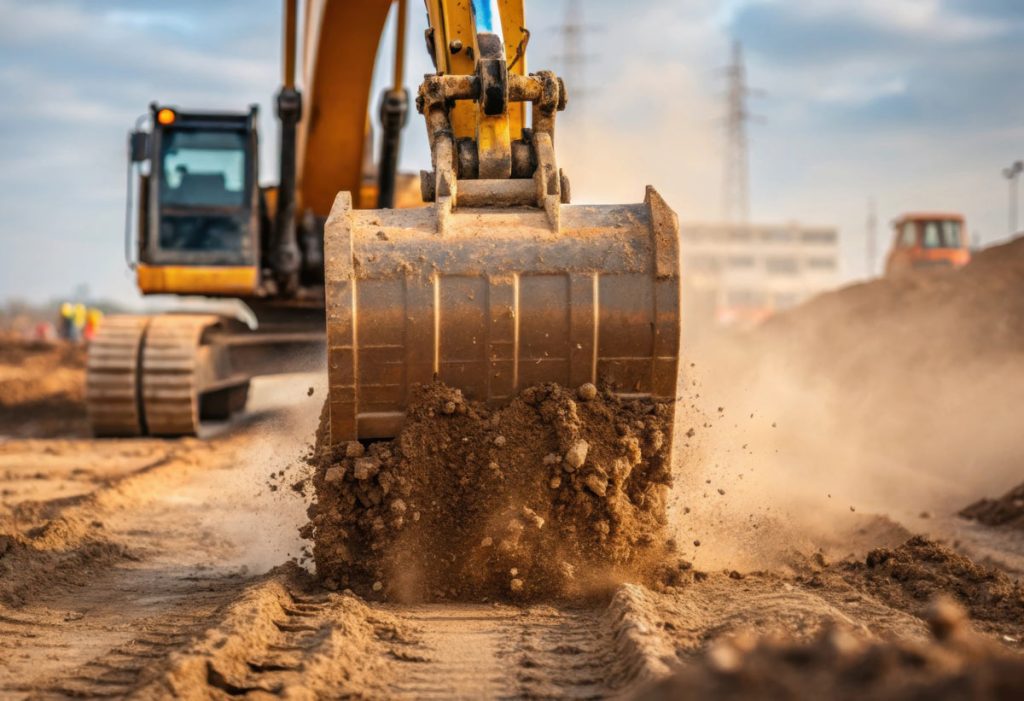
Groundworks refer to the preparatory work carried out on a construction site before building begins. This includes clearing the site, excavation, laying foundations, drainage installation, and sometimes even underpinning and retaining walls. Essentially, groundworks are all about preparing the site to support the structure above it.
For both extensions and new builds, the success of the entire project hinges on the quality of the groundwork. Without a solid base, even the most well-designed structures can suffer from serious issues such as subsidence, poor drainage, and structural instability.
Key Elements of Groundworks
- Site Clearance
- The first step involves removing vegetation, debris, and any existing structures or obstacles. Proper site clearance ensures a clean, safe workspace and accurate measurements for excavation.
- Excavation
- Digging to the appropriate depth is crucial for laying foundations. This involves understanding soil types, load-bearing capacity, and potential obstacles like underground utilities.
- Foundations
- The foundation is arguably the most critical aspect of groundworks. It transfers the load of the building into the ground, ensuring stability. Common types include strip foundations, raft foundations, and piled foundations, depending on the soil conditions and structure size.
- Drainage Systems
- Efficient drainage is essential to avoid water accumulation around the foundation. Installing proper drainage channels, soakaways, and connection to the main sewage system helps maintain the building’s integrity.
- Utilities Installation
- Groundworks also include the provision of essential services like water, gas, electricity, and telecommunications. Proper planning at this stage prevents costly alterations later.
- Ground Leveling and Compaction
- Once utilities are in place, the ground is levelled and compacted to create a stable surface for construction. This step is key to preventing future subsidence.
Why Groundworks Matter in Extensions
When adding an extension to an existing property, the new structure must integrate seamlessly with the old. This is where groundworks play a pivotal role:
- Structural Continuity: Matching the foundation type and depth of the existing building ensures the extension does not shift or settle differently over time.
- Drainage Integration: New drainage must be carefully integrated with the existing system to prevent overflow or waterlogging.
- Legal Compliance: Building regulations require that extensions meet the same structural and environmental standards as new builds. Proper groundworks help you stay compliant.
Neglecting these aspects can lead to cracks where the new and old structures meet, water ingress, and even planning permission issues.
Why Groundworks Are Essential in New Builds
For new builds, groundworks are quite literally the groundwork for success. Here’s why:
- Structural Integrity: A well-executed foundation ensures the entire building remains stable, even in adverse weather or challenging soil conditions.
- Future-Proofing: Good groundworks include provisions for future utility upgrades or extensions.
- Time and Cost Efficiency: Identifying and resolving ground-related issues early can save time and prevent expensive corrections later in the project.
- Compliance and Inspections: Building Control will inspect groundwork stages, particularly foundations and drainage. Cutting corners can lead to failed inspections and costly delays.
Common Groundworks Issues and How to Avoid Them
- Poor Soil Analysis
- Solution: Conduct a thorough soil survey to determine the best type of foundation.
- Inadequate Drainage Planning
- Solution: Work with experienced contractors to design efficient drainage systems suited to the site.
- Incorrect Foundation Depths
- Solution: Match the foundation depth to the specific load requirements and ground conditions.
- Utility Conflicts
- Solution: Use utility detection surveys before digging to avoid costly damage and delays.
- Subsidence and Settlement
- Solution: Ensure proper compaction and consider reinforcement methods in weak soil areas.
Choosing the Right Groundworks Contractor
Given the complexity and importance of groundworks, choosing the right contractor is crucial. Look for companies with:
- Proven experience in extensions and new builds
- Knowledge of local soil conditions
- Strong safety and compliance records
- Transparent pricing and clear timelines
At Armstrong Building & Maintenance, we bring years of expertise in delivering reliable groundwork services tailored to your specific project needs. From small extensions to large new builds, we ensure every project starts with a rock-solid foundation.
Final Thoughts
Groundworks may be hidden beneath the surface, but they are the backbone of any successful construction project. Whether you’re planning a single-storey extension or a full-scale new build, investing in quality groundworks is non-negotiable. It not only safeguards your structure but also adds long-term value to your property.
Don’t take chances with the foundation of your project. Contact Armstrong Building & Maintenance today to discuss how our expert groundworks team can support your build from the ground up.