When it comes to maintaining your property, the roof is one of the most important elements to keep in top condition. Whether you have a flat or pitched roof, each type comes with its own set of maintenance requirements, challenges, and best practices. Regular maintenance not only extends the lifespan of your roof but also helps prevent costly repairs down the line. In this blog post, we break down the key differences between flat and pitched roofs and offer maintenance tips tailored to each style.
Understanding the Basics: Flat vs Pitched Roofs
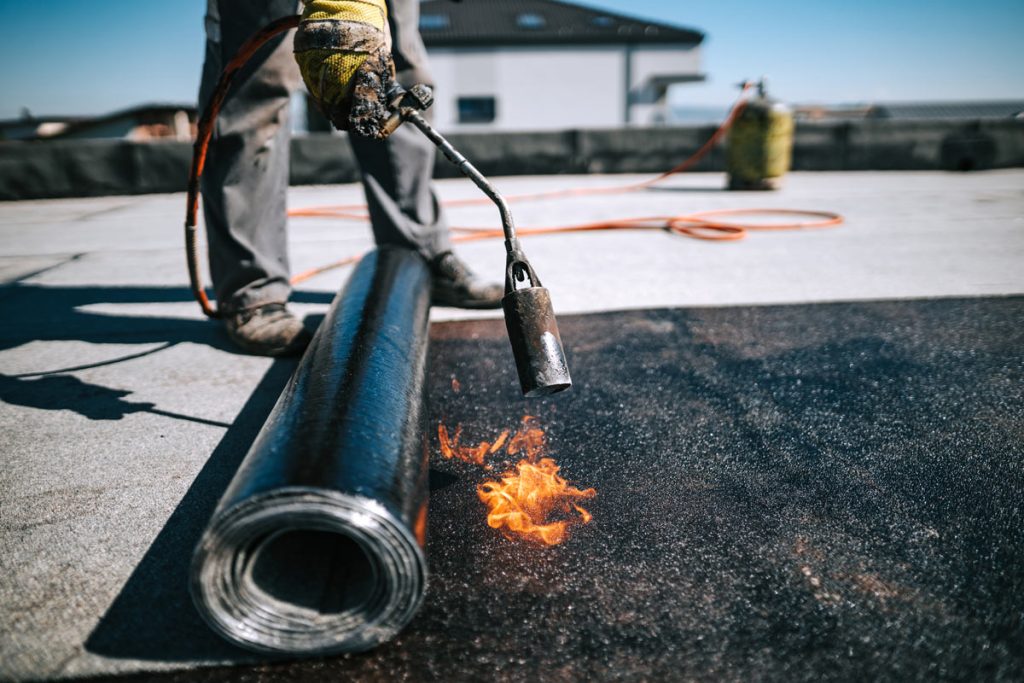
Flat Roofs Flat roofs are commonly found on commercial buildings, extensions, and some modern homes. Despite the name, flat roofs have a slight pitch (typically 1-10 degrees) to allow for water runoff. They are often constructed using materials such as felt, EPDM rubber, GRP (fibreglass), or PVC membranes.
Pitched Roofs Pitched roofs feature a steeper angle and are most common on traditional residential homes. They are usually finished with tiles or slates and include two or more sloping sides. This design naturally facilitates water drainage and is considered more durable in extreme weather conditions.
Flat Roof Maintenance Tips
Flat roofs require proactive maintenance due to their limited drainage and exposure to pooling water.
1. Regular Inspections
Check your flat roof at least twice a year—ideally in spring and autumn—and after any major storm. Look for signs of:
- Ponding water
- Cracks, splits, or blisters in the membrane
- Loose or lifted seams
- Vegetation or moss growth
- Debris or blocked drains
2. Clear Debris and Check Drainage
Leaves, dirt, and debris can quickly clog drainage outlets. Regularly clear your roof and check that water is draining properly. Blocked drains can lead to standing water, which weakens roofing materials and leads to leaks.
3. Seal Cracks Promptly
Small cracks or splits in the surface should be sealed quickly using appropriate roofing compounds. Ignoring minor damage can allow water to penetrate the surface, leading to insulation damage and rot.
4. Maintain Flashings and Edges
Flashings around vents, skylights, and edges a common leak points. Inspect these areas regularly and reseal or repair as needed to maintain a watertight finish.
5. Consider a Protective Coating
Applying a UV-resistant coating can extend the lifespan of a flat roof by protecting it from sun damage, weathering, and thermal movement.
Pitched Roof Maintenance Tips
Pitched roofs benefit from their natural slope, which reduces the likelihood of water pooling. However, they still require ongoing care.
1. Inspect Tiles and Slates
Over time, tiles and slates can become dislodged, cracked, or broken. A routine visual inspection with binoculars or by a professional roofer can help you spot issues early.
2. Clean Gutters and Downpipes
Blocked gutters can cause water to overflow and damage fascia boards, walls, and the roof structure. Keep gutters and downpipes free of debris to ensure proper drainage.
3. Check for Moss and Algae
Moss can retain moisture, leading to tile damage and leaks. If moss build-up is significant, consider professional cleaning using gentle methods that won’t damage the roof covering.
4. Inspect Roof Valleys and Flashings
Valleys—where two roof slopes meet—are prone to leaks. Flashing around chimneys, vents, and dormers should also be checked regularly and resealed or replaced if damaged.
5. Trim Overhanging Trees
Branches can damage roof tiles and clog gutters with leaves. Keep nearby trees trimmed to prevent damage during storms and improve roof ventilation.
Signs Your Roof Needs Attention
Regardless of the roof type, watch for these warning signs:
- Water stains on ceilings or walls
- Visible sagging or uneven rooflines
- Increased energy bills (due to poor insulation or leaks)
- Persistent damp or mould in the loft space
- Light coming through roof boards
If you notice any of these issues, it’s wise to contact a professional roofing contractor promptly.
Professional Roof Inspections
While regular DIY checks are useful, a professional roof inspection every 1-2 years can uncover hidden problems and offer expert advice on extending your roof’s lifespan. Qualified roofers have the tools and training to:
- Safely access all areas
- Identify wear and tear early
- Recommend preventative maintenance
- Provide estimates for repairs or upgrades
At Armstrong Building & Maintenance, our experienced team offers comprehensive roof inspections for both flat and pitched roofs, ensuring your property stays protected year-round.
Lifespan and Replacement Considerations
Flat Roofs typically last 15-30 years, depending on the material and maintenance. Pitched Roofs with tile or slate finishes can last 40-100+ years with proper care.
If your roof is nearing the end of its expected lifespan, it’s worth discussing replacement options to improve energy efficiency, prevent recurring repairs, and increase property value.
Final Thoughts
Flat and pitched roofs serve different purposes and each has its own set of maintenance needs. By understanding the differences and following tailored care routines, you can maximise the performance and longevity of your roof.
Whether you’re managing a commercial flat roof or maintaining a pitched roof on a residential property, proactive upkeep is always the best approach.
If you’re unsure about the condition of your roof or need help with inspections, maintenance, or repairs, Armstrong Building & Maintenance is here to help. Get in touch with our expert team today to book a consultation and keep your roof in peak condition, whatever its shape.